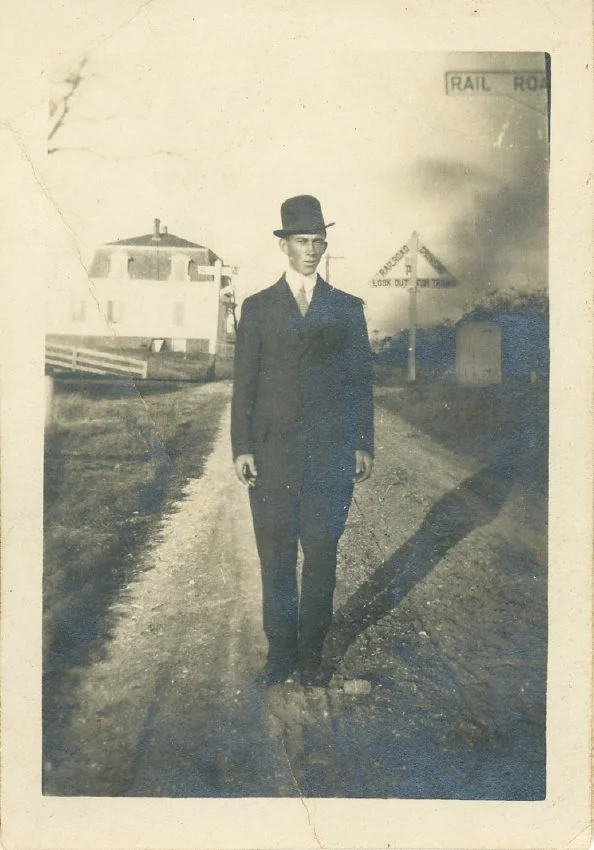
By the turn of the 20th century, the railroad had become a familiar part of daily life in Wellfleet. What had once been a celebrated symbol of progress was now woven into the rhythms of the town, carrying passengers, mail, seafood, and freight between the Outer Cape and the rest of the nation.
The arrival of the railroad transformed Wellfleet’s economy. Fresh oysters, fish, and cranberries could be shipped quickly to markets, while visitors found it easier than ever to experience the beauty of the Outer Cape. The tracks also brought change in unexpected ways, encouraging tourism while making it easier for residents to travel beyond Cape Cod in search of work and new opportunities.
Look closely at the photograph and you’ll notice the railroad crossing signs and tracks, everyday sights that were once a defining feature of life in Wellfleet. Although the tracks have long since been removed, their route lives on today as part of the Cape Cod Rail Trail, preserving the path that helped shape the town’s history more than a century ago.
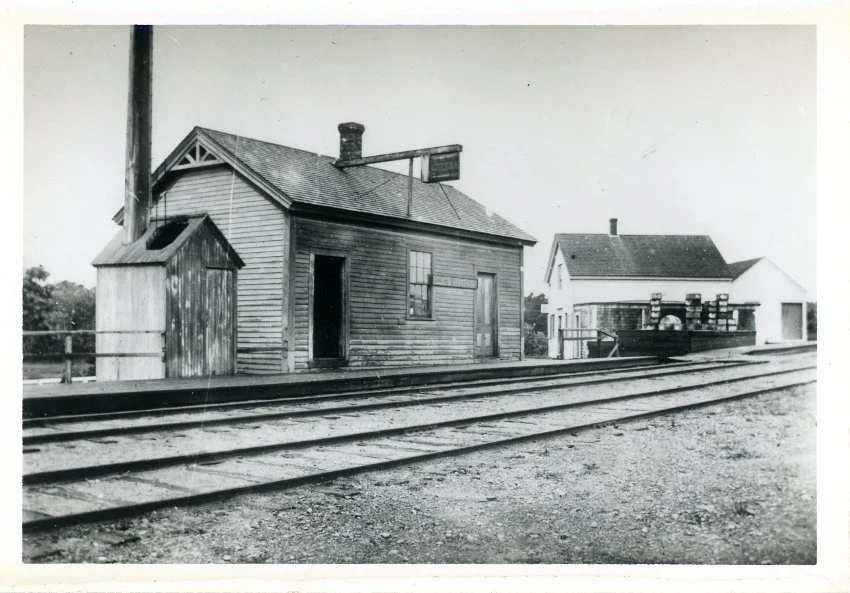
When the Cape Cod Railroad reached Wellfleet in 1870, it transformed the town’s connection to the rest of Cape Cod and beyond.
Before the railroad, residents relied on schooners, packet ships, and stagecoaches to transport people, mail, seafood, and other goods. Travel to Boston could take days.
The arrival of the railroad was celebrated with speeches, music, and festivities, marking the beginning of a new era. Fresh oysters, fish, and cranberries could now reach Boston markets more quickly, while easier travel brought more visitors to the Outer Cape and helped grow Wellfleet’s tourism industry.
To bring the tracks into town, engineers built a causeway across Duck Creek. While it improved transportation, it also altered the harbor by restricting tidal flow—a change residents noticed almost immediately. It also blocked off the upper 1/3 of Duck Creek, making previously navigable water unusable
The railroad also reshaped daily life. It made travel easier for both visitors and residents, helping transform Wellfleet from a maritime village into the community we know today.
Passenger service eventually ended with the rise of the automobile, and the tracks were removed. Today, the Cape Cod Rail Trail follows much of the original railroad route, preserving the path of the trains that first arrived more than 150 years ago.
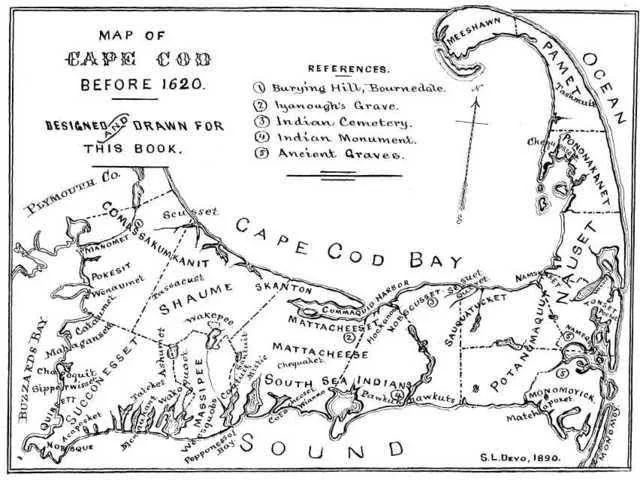
Long before the arrival of European settlers, the shores of what is now Wellfleet were home to the Pononakanet, a band of the Wampanoag people who lived along the Outer Cape. This map, depicting Cape Cod before 1620, offers a glimpse into the Native communities that thrived here for thousands of years.Wellfleet Harbor’s rich tidal flats provided an abundance of oysters, quahogs, clams, scallops, and mussels, making shellfishing an essential part of daily life.
Families harvested shellfish by hand, returning to the same productive flats generation after generation. The evidence of their lives can still be found today in ancient shell middens—layers of discarded shells that tell the story of centuries of sustainable harvesting.
When Samuel de Champlain explored Cape Cod in 1606, he was so impressed by the harbor’s plentiful oysters that he named it “Port aux Huîtres,” or “Port of Oysters.” But by then, Native people had already known the harbor’s value for countless generations.
As we celebrate Wellfleet’s famous oysters today, it’s worth remembering that the story began long before the town itself existed.
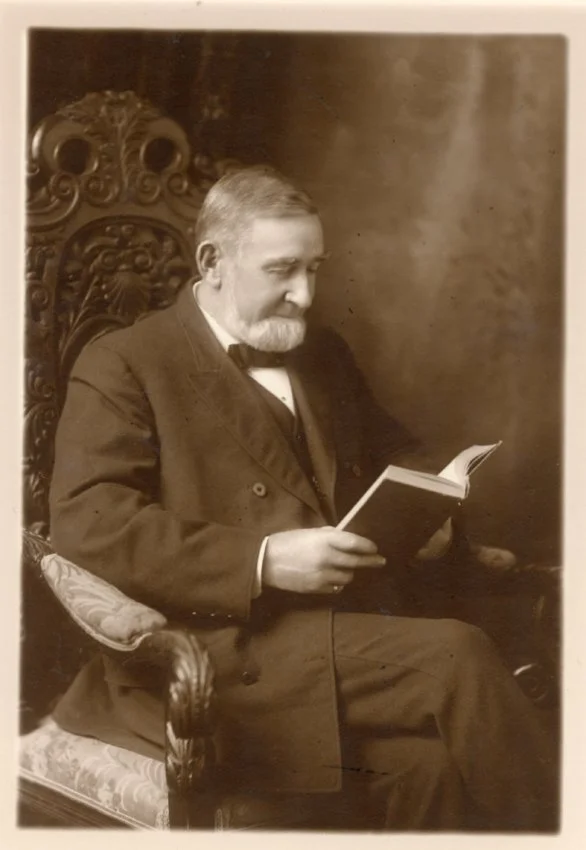
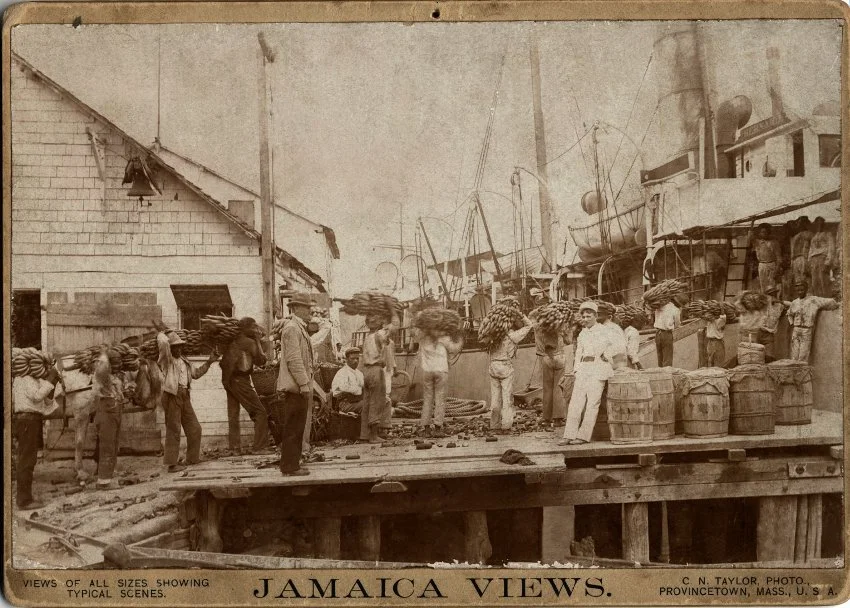
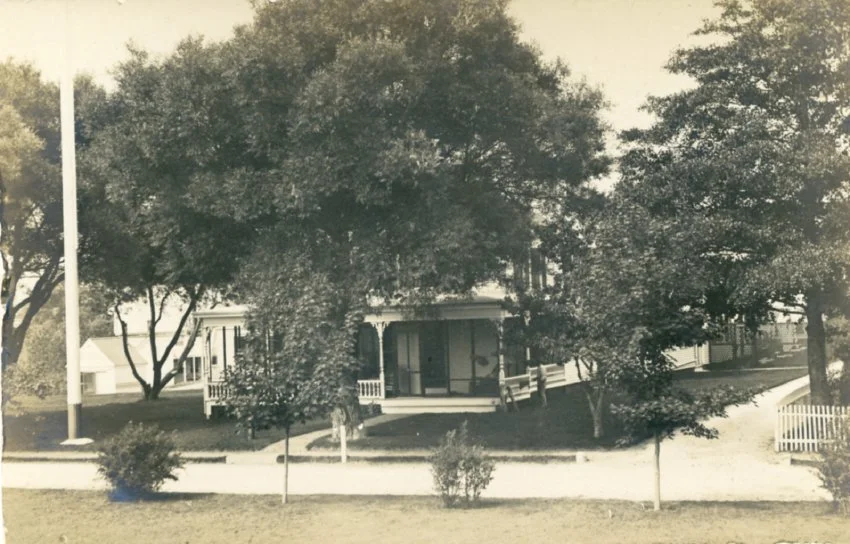
Long before bananas were a grocery store staple, they were considered a rare tropical luxury in the United States. One Wellfleet sea captain helped change that.
Captain Lorenzo Dow Baker (1840–1908) grew up in Wellfleet and went to sea as a young man. In 1870, while sailing in the Caribbean, Baker purchased a cargo of bananas in Jamaica and attempted to bring them to Boston. His first shipment rotted before it reached the East Coast. But Baker persevered. After several tries, he found success by using faster ships and improving the way bananas were stored during the voyage.
Baker began making regular voyages between Jamaica and the United States, helping establish the Caribbean banana trade. His success eventually led to the founding of the Boston Fruit Company, which later merged with other companies to become the United Fruit Company.
Baker’s connection to Jamaica went far beyond business. He lived there for a significant part of the year with his family, as did several other Wellfleet families involved in the trade. Their lives and businesses created lasting connections between Wellfleet and Jamaica, linking the two communities through shipping, commerce, and family ties.
Baker also transported tourists aboard his ships, helping make travel to Jamaica more accessible and contributing to the development of Jamaican tourism.
After achieving success, Baker built Belvernon, his grand home overlooking Wellfleet Harbor. His story illustrates how the ambitions of one Wellfleet sea captain helped connect a small Cape Cod community to an international network of trade and travel.
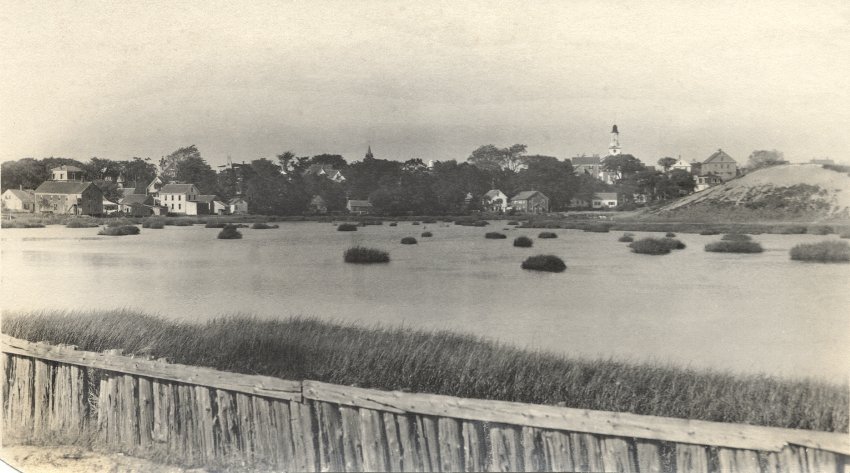
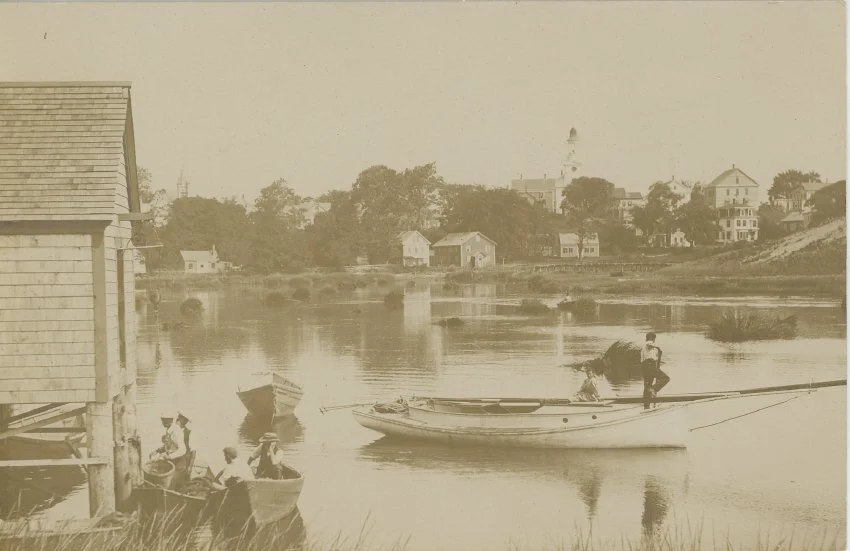
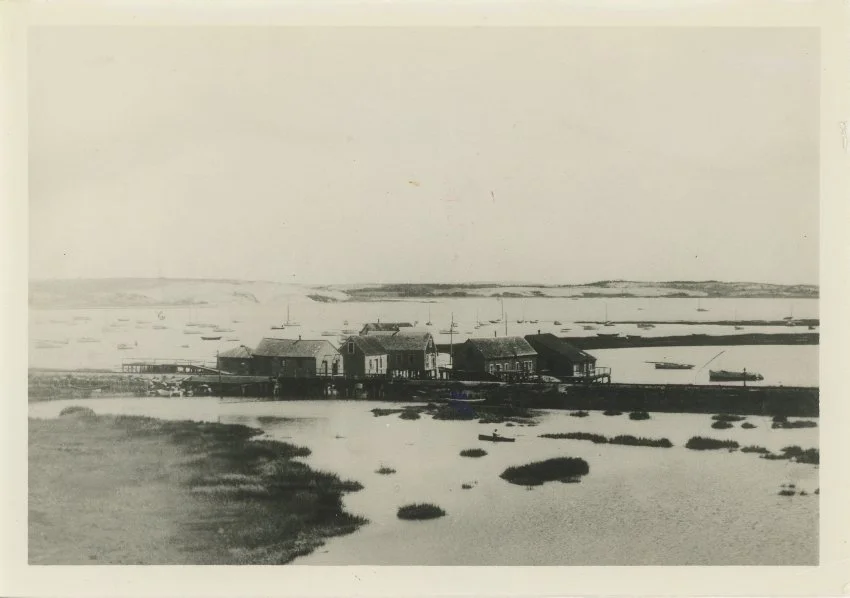
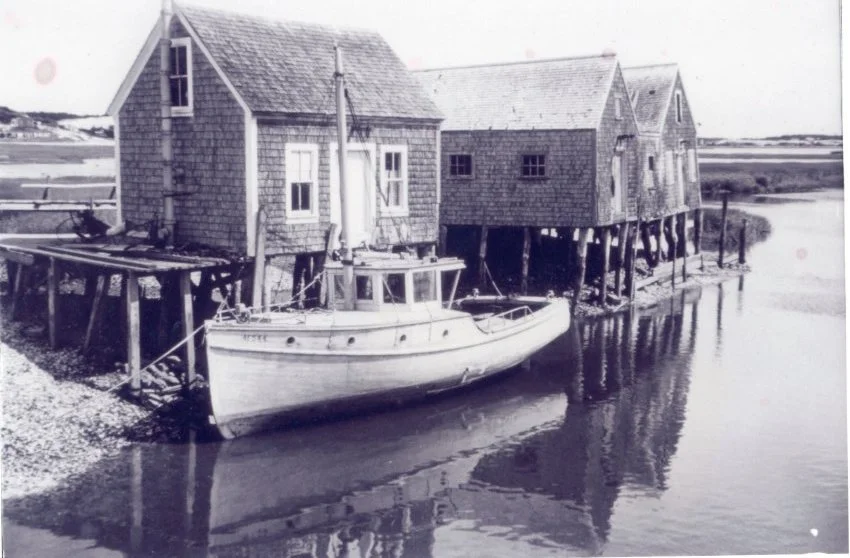
Duck Creek has long been one of Wellfleet’s greatest natural assets. Its protected waters, tidal flow, and extensive mudflats created ideal conditions for shellfishing, making it a natural center for the town’s growing oyster industry.
By the mid-1800s, oyster cultivation had become one of Wellfleet’s most important industries. Families planted and harvested oysters throughout Duck Creek and elsewhere in the harbor, while small boats, wharves, and oyster houses lined the shoreline. Fresh oysters were shipped by boat and later by railroad to markets across New England, helping establish Wellfleet’s reputation for producing some of the finest oysters in the country.
These photographs capture Duck Creek during the height of its working waterfront, when nearly every tide brought fishermen, oyster growers, and boats busy with the day’s work. Although the landscape has changed over the years, Duck Creek remains at the heart of Wellfleet’s identity and continues to support the town’s oyster tradition.
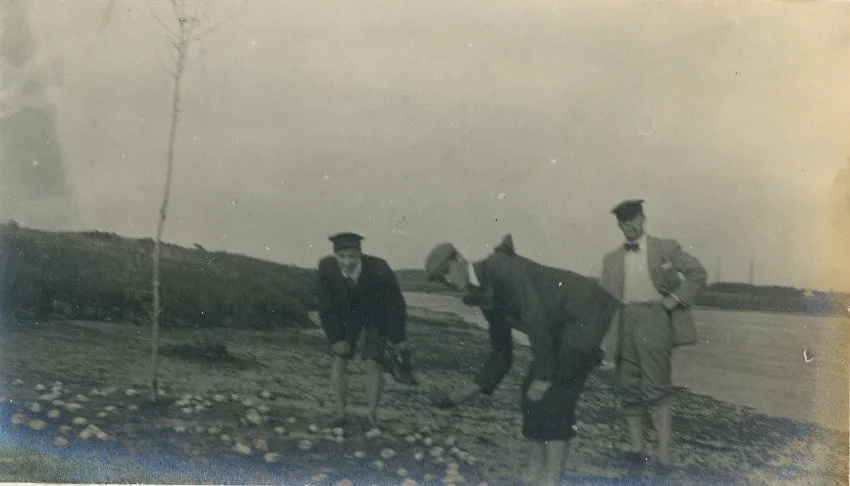
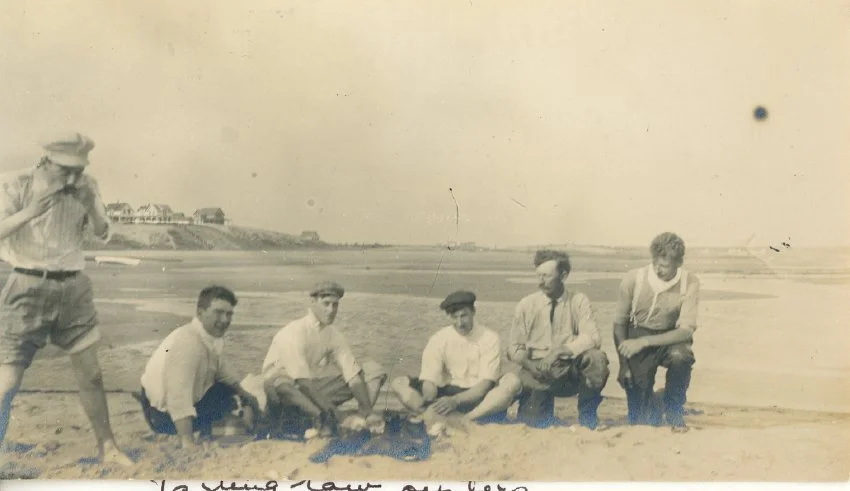
When English settlers arrived in Wellfleet during the 1600s, they found extensive natural oyster beds that had already been harvested sustainably by the Wampanoag for countless generations. Colonists quickly recognized the value of these abundant shellfish, gathering them first for their own tables and later as a source of income.
As Cape Cod’s population grew, oysters became one of Wellfleet’s most important exports. Oystermen harvested them by hand from the tidal flats and packed them for shipment to markets throughout New England. By the nineteenth century, improved transportation—including schooners and eventually the railroad—allowed Wellfleet oysters to reach distant cities while still fresh.
These photographs capture a later chapter in that story, showing a snapshot of the harvesting process and some of the people who supported an industry which has shaped Wellfleet’s identity for more than 300 years.
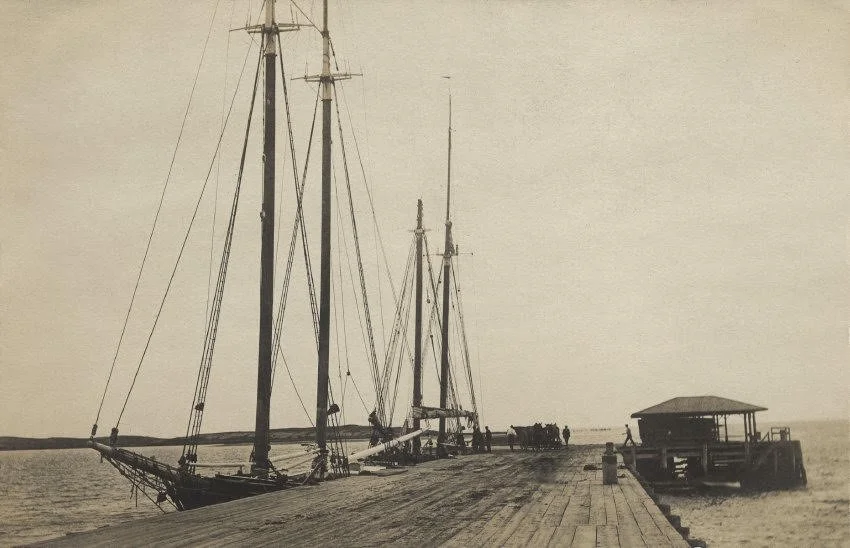
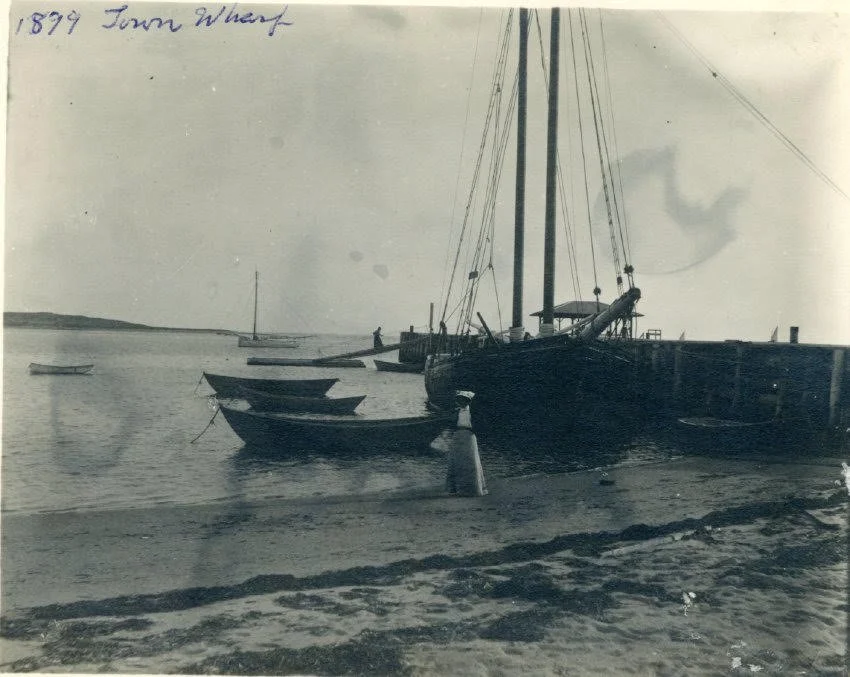
For much of the 19th century, Wellfleet Harbor was busy with commercial fishing vessels.
After the decline of whaling, fishing became an increasingly important part of Wellfleet’s maritime economy. Schooners sailed from the harbor to fishing grounds off Cape Cod and beyond, bringing their catches back to town to be unloaded, packed, and sold.
Mackerel was particularly important to the local fishing industry. The harbor would have been filled with vessels, fishermen, and the activity that came with processing and shipping a commercial catch.
But the fishing industry did not last forever. By the late 19th century, the mackerel fishery was declining, and Wellfleet’s commercial fishing fleet gradually disappeared. By about 1900, schooners were no longer sailing regularly from Wellfleet Harbor.
The harbor remained important, however, as shellfishing continued to shape the town’s maritime economy.
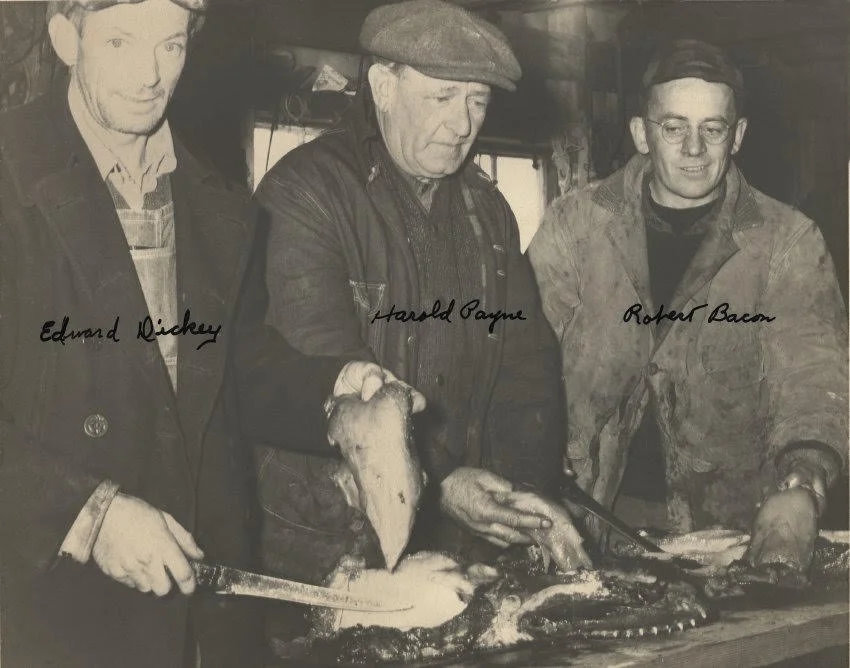
Wellfleet’s fishing industry depended on more than the men who went out to sea. Once a catch came ashore, fish dealers and market owners played an important role in getting it into the hands of customers, both locally and beyond Cape Cod.
Fish markets were an important part of Wellfleet’s working waterfront. Fish were bought and sold, cleaned, packed, and prepared for shipment. Fish dealers connected local fishermen with customers and larger markets, helping make the seafood industry an important part of the town’s economy.
The business also involved a network of workers and merchants. Fishermen brought in the catch, dealers purchased it, workers prepared and packed it, and transportation carried it to markets where it could be sold.
Wellfleet’s seafood trade changed over time, but the tradition of selling locally caught fish continued for generations.
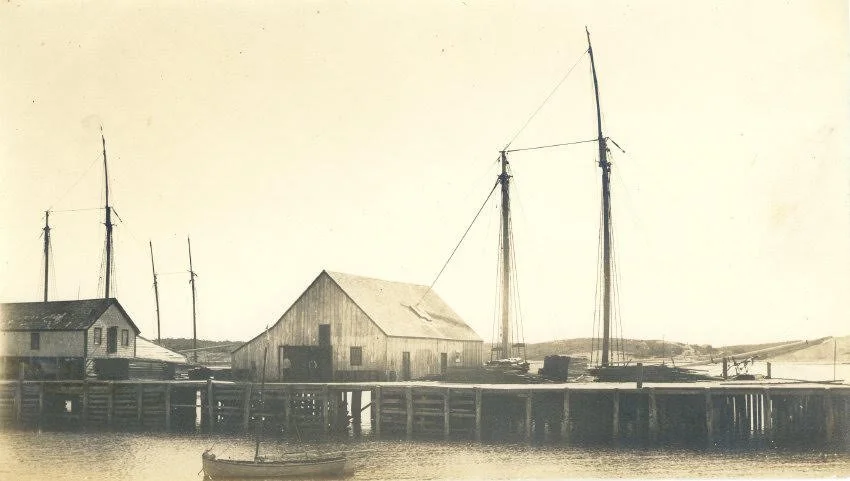
Wellfleet’s fishing industry depended on more than the men who went out to sea. Once a catch came ashore, fish dealers and market owners played an important role in getting it into the hands of customers, both locally and beyond Cape Cod.
Fish markets were an important part of Wellfleet’s working waterfront. Fish were bought and sold, cleaned, packed, and prepared for shipment. Fish dealers connected local fishermen with customers and larger markets, helping make the seafood industry an important part of the town’s economy.
The business also involved a network of workers and merchants. Fishermen brought in the catch, dealers purchased it, workers prepared and packed it, and transportation carried it to markets where it could be sold.
Wellfleet’s seafood trade changed over time, but the tradition of selling locally caught fish continued for generations.
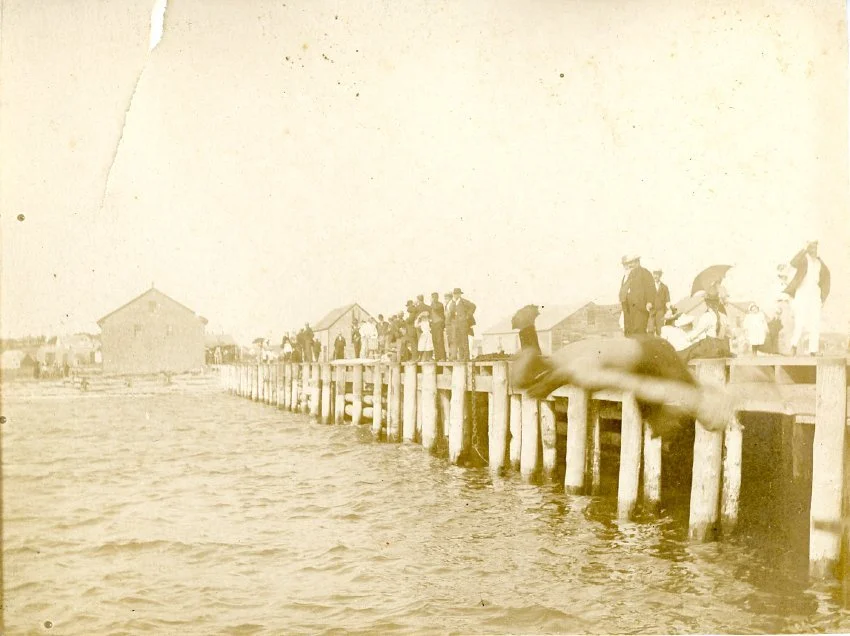
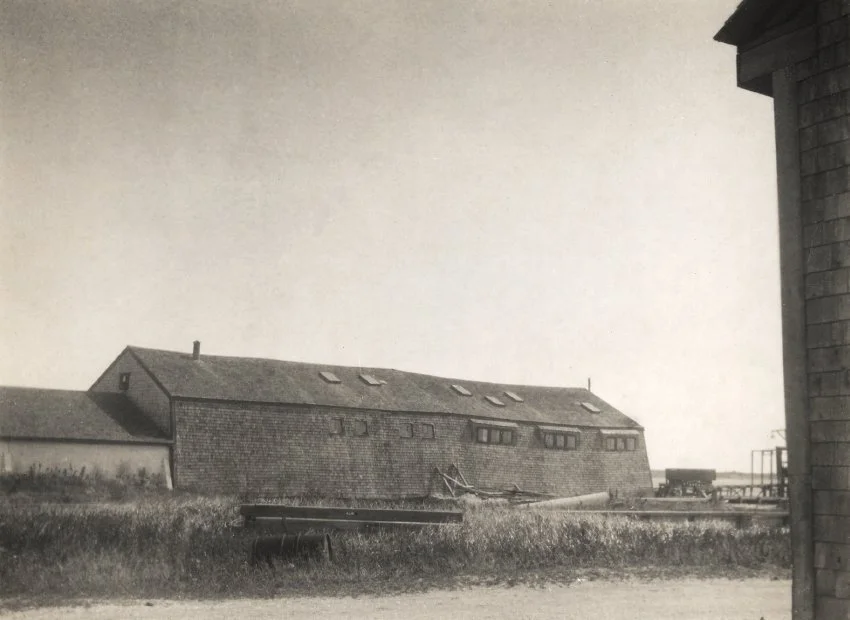
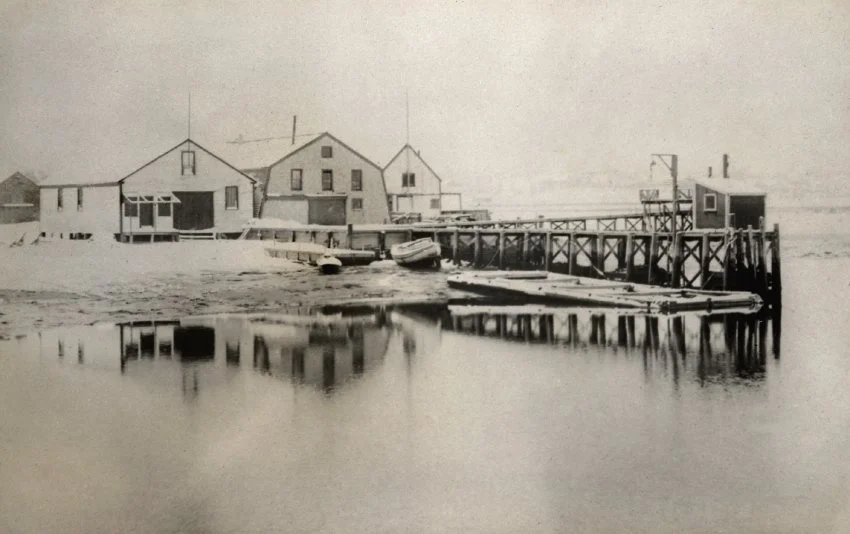
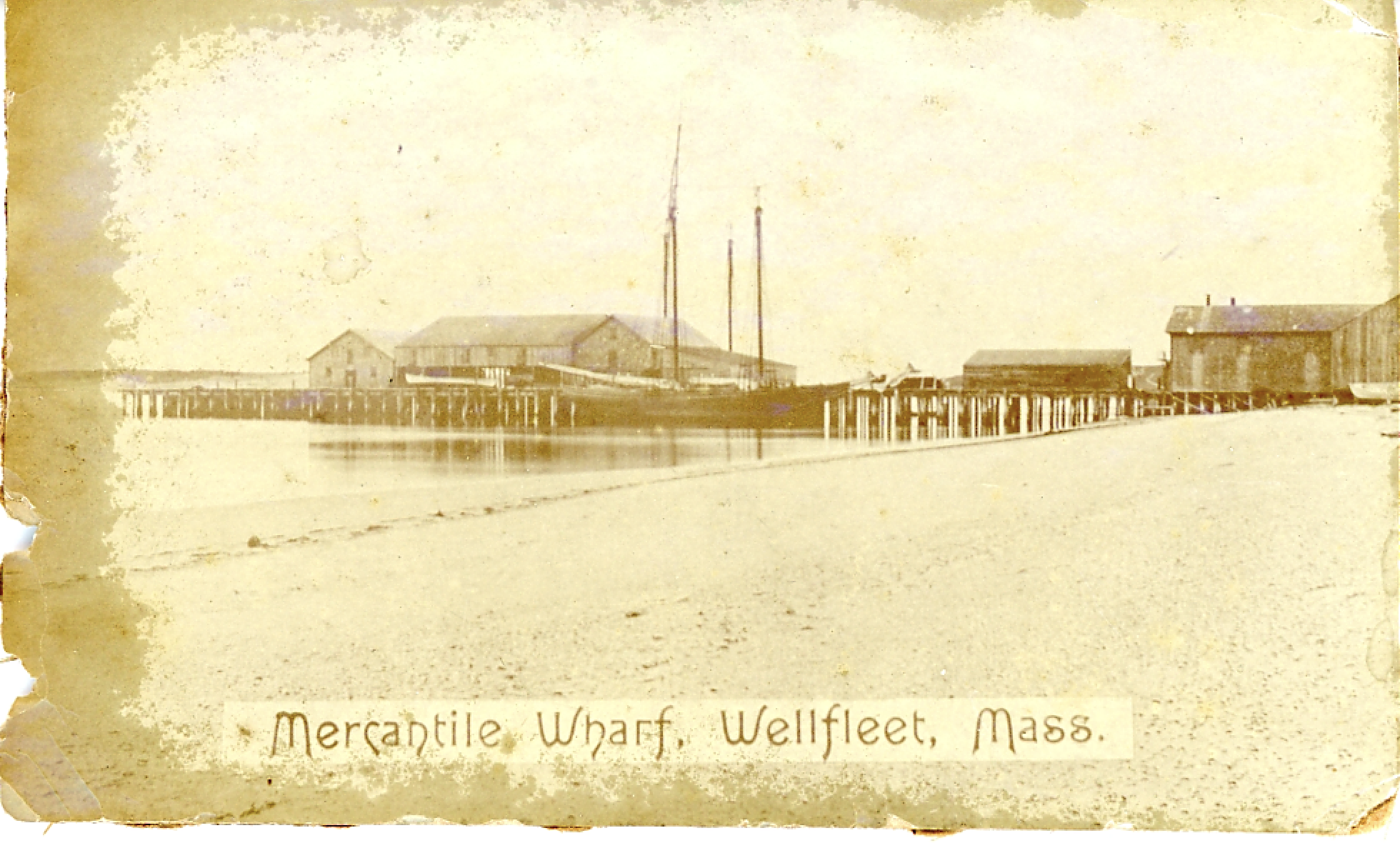
By the early 1900s, Wellfleet had a long history of growing, harvesting, and shipping oysters to markets beyond Cape Cod. In 1911, a new kind of oyster company arrived in town: Sealshipt.
Sealshipt was part of a much larger oyster business that aimed to modernize the way oysters were shipped and sold. The company developed a sanitary container for transporting oysters and built an extensive network of retail agents to distribute them. At a time when Americans were increasingly concerned about food safety and sanitation, this was an important innovation.
Sealshipt established its Wellfleet operation at Commercial Wharf after acquiring the Seacoast Oyster Company. The operation brought new investment and jobs to the local oyster industry. At its height, as many as 125 people worked in Wellfleet, processing and shipping oysters from the harbor. Workers reportedly shipped around 50 barrels of oysters a day.
The company’s arrival came at an important moment for Wellfleet's oyster industry. By 1909, more than 22,000 bushels of Wellfleet oysters had been harvested from the town's flats, although the industry was only a fraction of what it had been during its earlier peak.
Sealshipt's time in Wellfleet was relatively short. In 1914, the company went into receivership and its property at Commercial Wharf was sold at foreclosure. Although Sealshipt itself did not last, its brief presence became an important chapter in the story of Wellfleet's oyster industry—and in the effort to bring Wellfleet oysters to a much larger market.
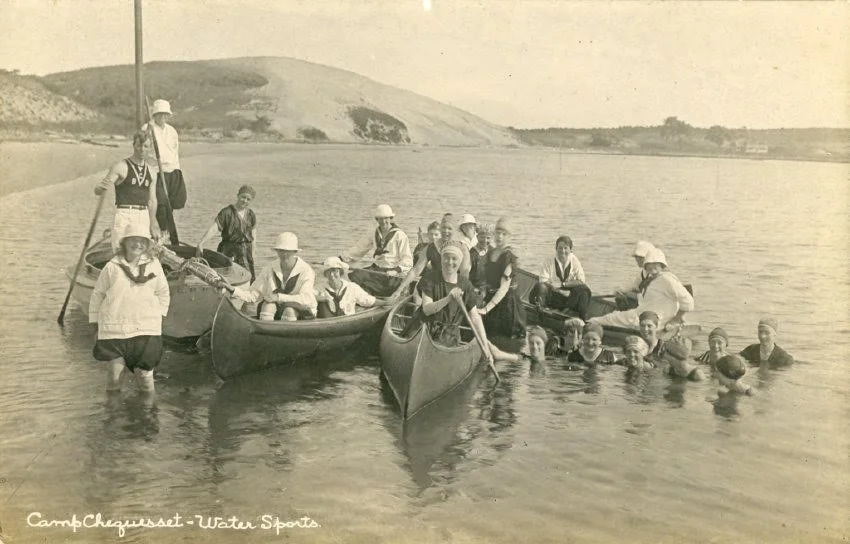
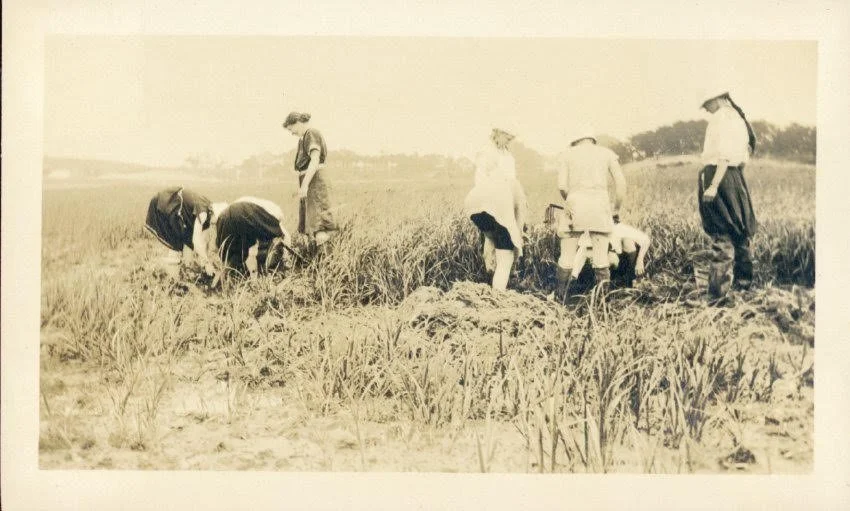
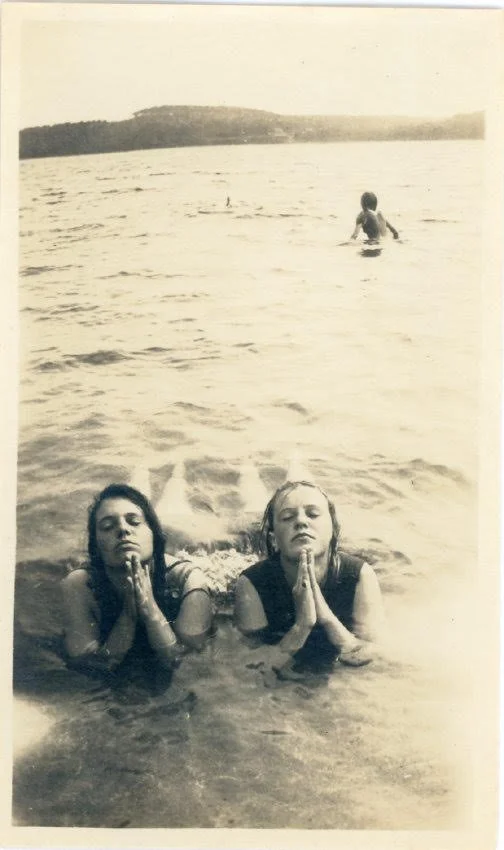
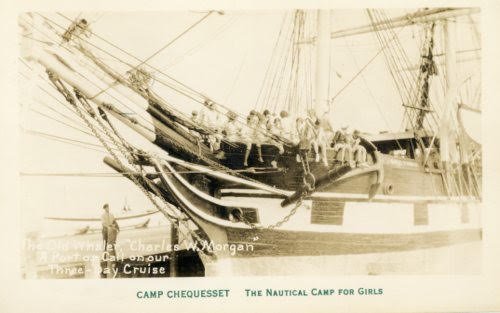
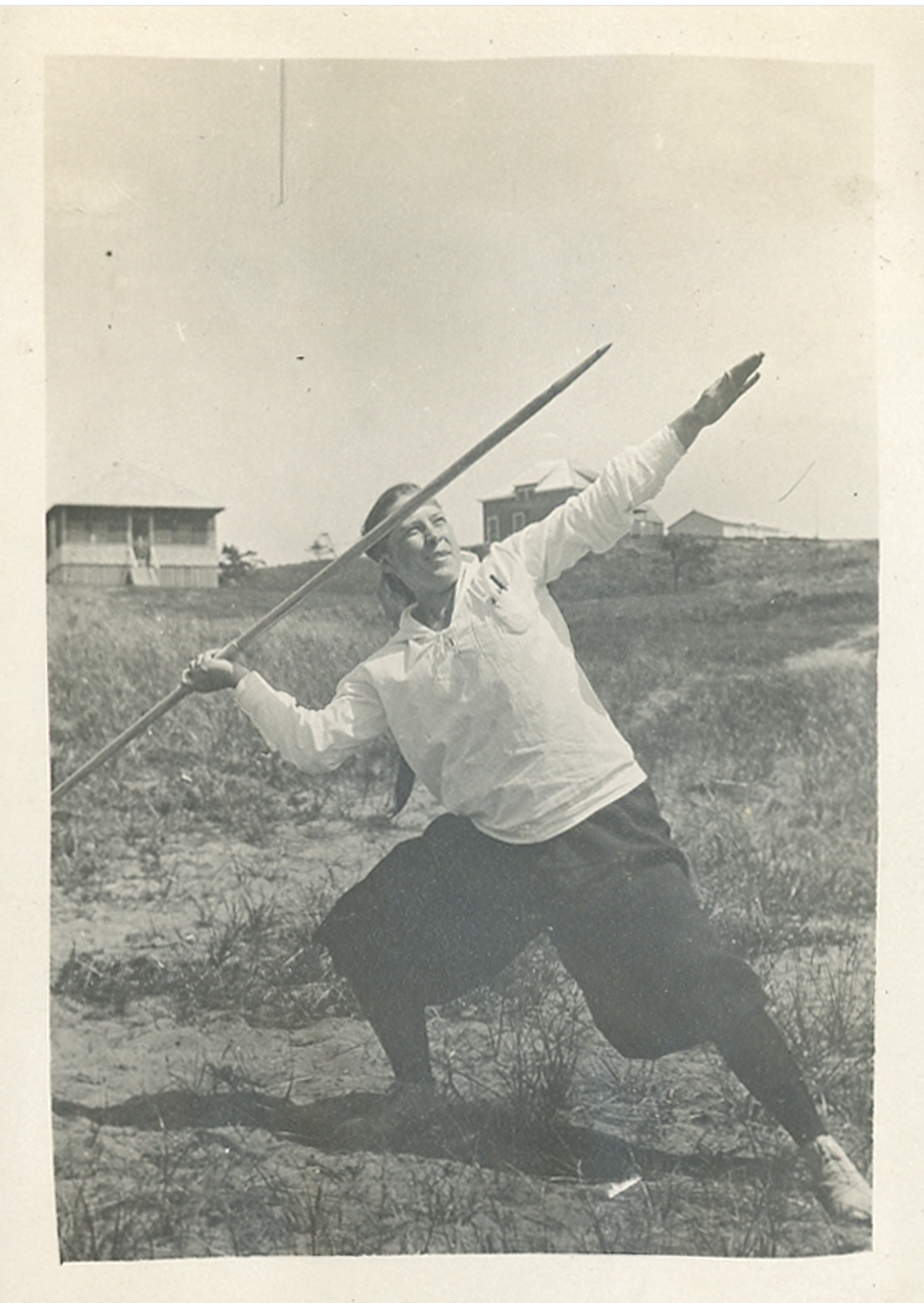
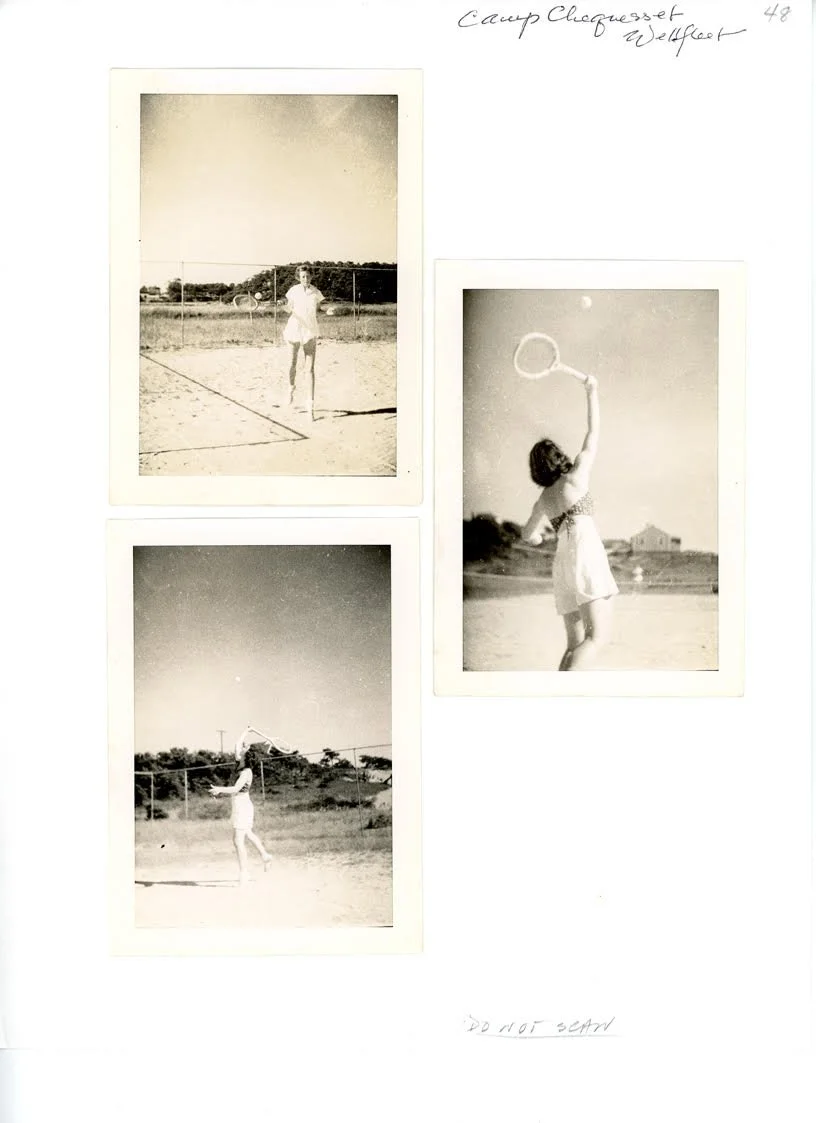
In 1914, Camp Chequesset was founded in Wellfleet as a nautical camp for girls by Professor William Gould Vinal and Alice Hamilton Belding. Located along Wellfleet Harbor, the camp offered girls a unique opportunity to learn sailing, swimming, boating, seamanship, and natural history in a setting deeply connected to Wellfleet’s maritime traditions.
Vinal, known as “Cap’n Bill,” was a naturalist and educator who believed strongly in learning through outdoor experiences. At Camp Chequesset, girls did far more than simply spend their summers at the shore. They learned to handle boats, explore the harbor and Duck Creek, dig for clams, study the natural world, and gain practical knowledge of life on the water. Local sea captains and fishermen also helped introduce campers to Wellfleet’s long maritime tradition.
At a time when opportunities for girls to receive this kind of hands-on nautical education were unusual, Camp Chequesset offered something truly distinctive. For fourteen summers, the camp brought young women to Wellfleet to learn, explore, and develop confidence on the water.
Camp Chequesset became an important part of Wellfleet’s history and reflects the town’s long connection to the sea—not only through fishing and shellfishing, but also through recreation, education, and the generations of people who came here to experience life on the harbor.